Industrial Facility Decommissioning: Clearing a Plant or Site
Facility decommissioning is the orderly shutdown and clearing of an industrial or commercial site: process equipment, racking, tooling, furniture, inventory, chemicals and debris removed in a planned order so the building can be sold, leased or demolished. It is larger and more layered than a normal cleanout.
Describe the job and add your city. Free to request, no obligation.
The work usually runs in phases. Inventory and sellable assets move first, then machinery and fixed equipment, then regulated materials that need their own handling, and finally the building shell and floors. Utilities may need to be isolated by the right trades before machinery is touched.
Clients are typically property owners, lenders, receivers and operations teams closing a plant. The most useful thing in a quote request is a list of the major equipment, the square footage and the date the site must be clear, because those set the order of work and the size of the crew.
What the work includes
- A phased scope covering inventory, equipment, fixtures and debris
- Disconnect coordination so machinery can be moved safely
- Dismantling and rigging of fixed equipment and conveyors
- Racking, mezzanines and storage systems taken down
- Sorting metals, electronics and other material for recycling
- Routing of regulated items to a licensed hauler or disposal facility
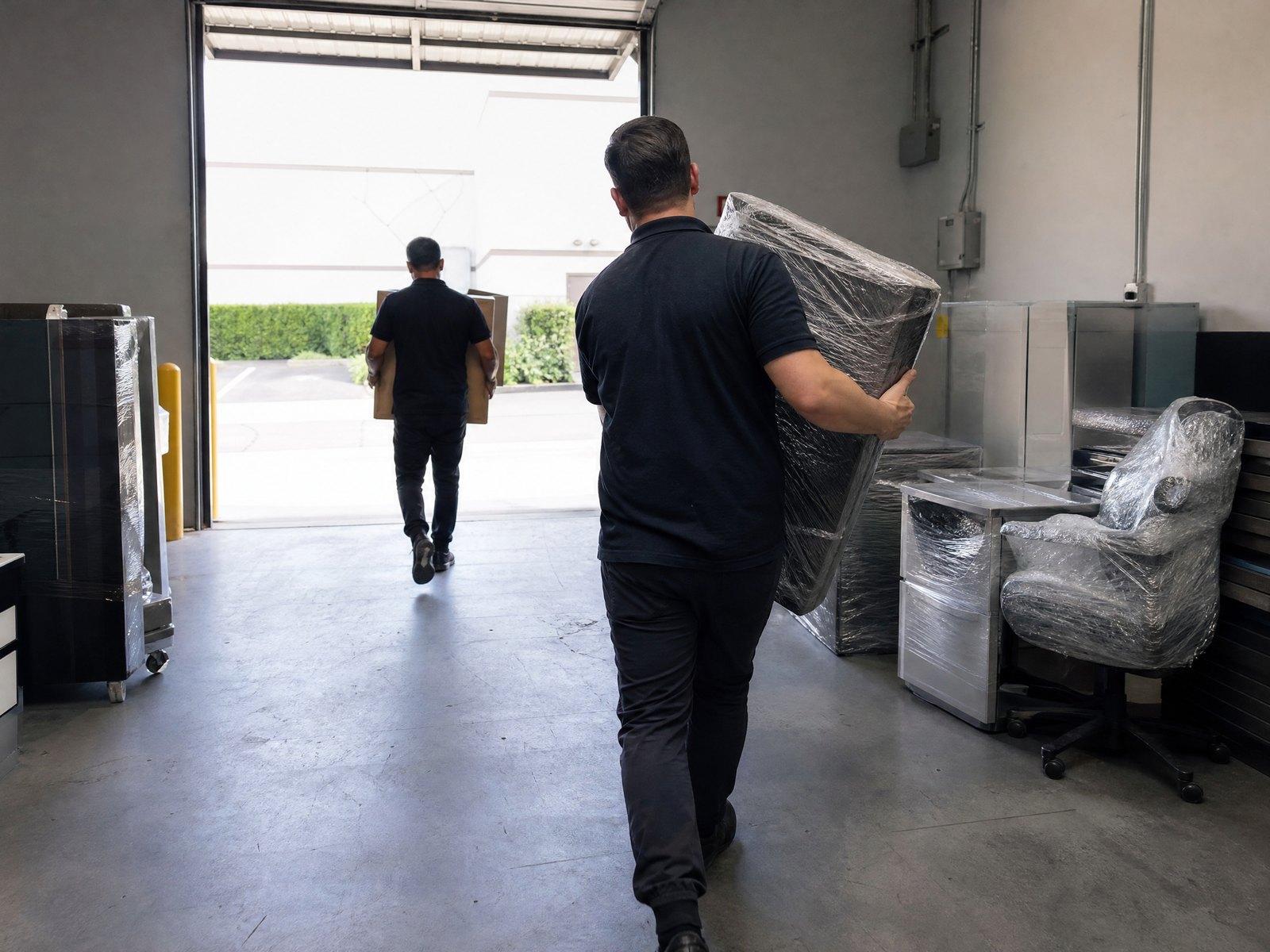
- Removal of office furniture and break-room contents
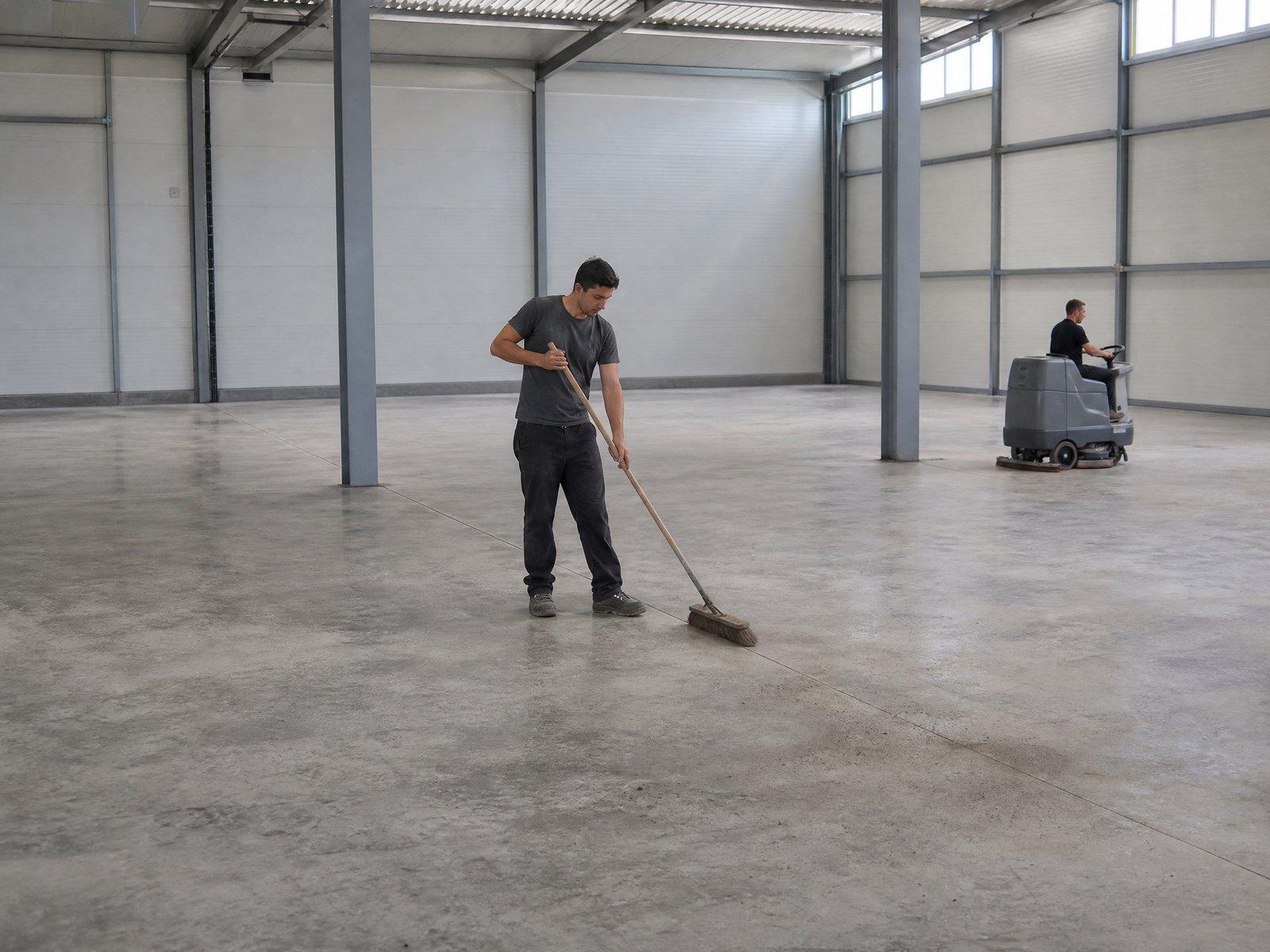
- Floor sweeping and a documented final walkthrough
When a site needs full decommissioning
A plant or distribution centre is closing or relocating
A property is being sold and the buyer wants the building empty
Machinery is obsolete and taking up floor space with no owner
A demolition or redevelopment date has been set
A lease ends and the landlord requires removal of everything installed
How the work goes, step by step
Define the goal
State whether the building will be sold, re-let or demolished, because that decides how clean the site must be.
Site assessment
A specialist walks the site, lists equipment and materials and identifies anything needing special handling.
Phased written quote
You receive the sequence of work, disposal routing, schedule and price, broken out by phase.
Execution
Crews work phase by phase, with each stage signed off before the next begins.
Final walkthrough
The cleared site is photographed and the condition is recorded for the owner or lender.
What changes the price
- Site size and complexity
- Square footage, floors, and how much fixed equipment is installed set the base labour.
- Equipment weight and rigging
- Heavy machinery needs cranes, skates or specialized movers, which add cost.
- Regulated materials
- Oils, solvents, coolants and similar items need separate handling and paperwork.
- Salvage value
- Resalable machinery and scrap metal can reduce the net cost, and the quote should show it.
- Utility isolation
- Power, gas and process lines must be shut off safely, sometimes by other trades.
- Timeline
- A short closing date may need larger crews and overlapping phases.
What a good quote spells out
- Phases spelled out with what leaves in each one
- Who disconnects utilities and process lines
- How regulated material is classified, moved and documented
- How salvage value is handled and credited
- The final condition of the site and how it is recorded
Facility Decommissioning: questions people ask
What is the difference between a cleanout and decommissioning?
A cleanout removes contents. Decommissioning also takes down fixed equipment, racking and installed systems, and often involves regulated materials and utility shutoffs.
Can machinery be sold during decommissioning?
Often. Machines in working order or valuable scrap can offset cost. Ask the quote to show what is expected to be sold and who keeps the proceeds.
Do we need an environmental assessment?
Some sales, closures or financing arrangements call for one. That is separate from the clearing work, but the crew should know if findings affect what can be moved.
How long does decommissioning take?
From days for a small shop to several weeks for a large plant. Equipment count, rigging needs and permits set the pace.
Other Axial services
Have a Space to Clear? Let's Scope It.
Tell us what needs to come out in the quote form. A specialist who serves your area follows up to arrange a walkthrough and prepare a written quote. Free to request, no obligation.
Request a free quote →